




There’s a particular kind of frustration that many people rarely talk about openly: looking generally healthy, eating reasonably well, exercising when possible—yet still noticing stubborn changes in skin texture that don’t seem to respond easily to lifestyle efforts. Which is why CelluCare is here for the wellness conversation.
Unlike general fat-loss supplements or energy boosters, CelluCare is positioned in a much more specific niche: supporting the appearance of cellulite and skin smoothness from a wellness perspective. That alone makes it different from most mainstream supplements, because it targets an aesthetic concern that sits at the intersection of skincare, circulation, and metabolism. But before getting drawn into marketing language, it’s important to understand what this category actually represents—and what it realistically can and cannot do.
What Is CelluCare and Why Is It Getting Attention?
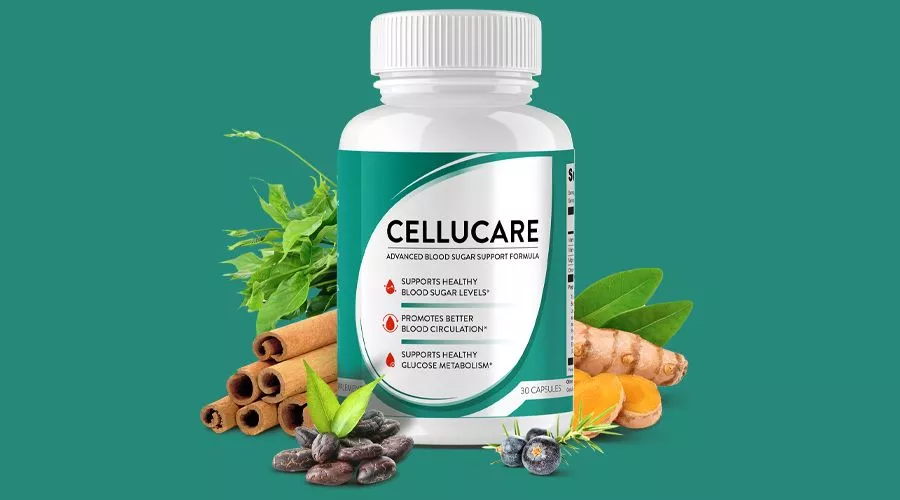
CelluCare is typically marketed as a dietary supplement designed to support skin appearance, connective tissue health, and circulation-related wellness factors that are often associated with cellulite visibility.
Cellulite itself is not a disease or a medical condition in most cases. It is a normal structural pattern in the skin where fat deposits push against connective tissue, creating a dimpled or uneven texture—most commonly seen on thighs, hips, and buttocks.
What makes CelluCare interesting is that it does not try to “erase cellulite instantly,” at least in its positioning. Instead, it aligns with a more modern wellness idea: supporting internal factors like skin elasticity, hydration, and circulation that may influence how the skin looks over time. This is a much softer, more gradual approach compared to aggressive cosmetic treatments or extreme body transformation claims.
The Science Conversation Around Cellulite
To understand where CelluCare fits in, it helps to understand what cellulite actually involves.
Cellulite is influenced by several factors at once, including:
- Skin thickness and elasticity
- Fat distribution beneath the skin
- Connective tissue structure
- Circulation and lymphatic flow
- Hormonal and genetic factors
Because of this complexity, cellulite is not something that responds to a single solution. This is why even people with active lifestyles or low body fat can still experience it.
From a scientific standpoint, most approaches to cellulite fall into three categories: topical treatments, clinical procedures, and lifestyle-based support. Supplements like CelluCare fall into the third category, meaning they are positioned as indirect support rather than direct correction.
How CelluCare Fits Into the “Inside-Out Beauty” Trend
One of the biggest shifts in modern wellness is the rise of “inside-out beauty” thinking. Instead of relying only on external creams or treatments, people are increasingly interested in nutrition and supplementation that may support skin health internally. CelluCare appears to be part of this trend.
The idea is not new, but it has become more popular recently as consumers look for holistic approaches to beauty. Rather than focusing only on surface appearance, this mindset considers hydration, collagen support, antioxidant intake, and circulation as contributing factors to how skin looks overall. In this context, CelluCare is positioned less as a cosmetic fix and more as a supportive wellness product for skin health and texture appearance.
What CelluCare Typically Claims to Support
While formulas can vary, products in the CelluCare category usually focus on a few core wellness themes rather than dramatic promises.
One of the primary ideas is support for skin elasticity. As skin naturally changes over time due to aging, hydration levels, and lifestyle factors, maintaining elasticity is often linked to a smoother appearance.
Another focus is circulation and fluid balance. Since cellulite appearance is sometimes associated with fluid retention and microcirculation in the skin, many supplements in this category aim to support healthy blood flow and lymphatic function.
A third area often emphasized is antioxidant and tissue support. Oxidative stress can affect skin quality over time, so antioxidant-rich formulations are commonly included in products targeting skin wellness.
Taken together, these themes create a general wellness approach rather than a targeted “fat removal” mechanism.
Why Cellulite Products Are So Popular
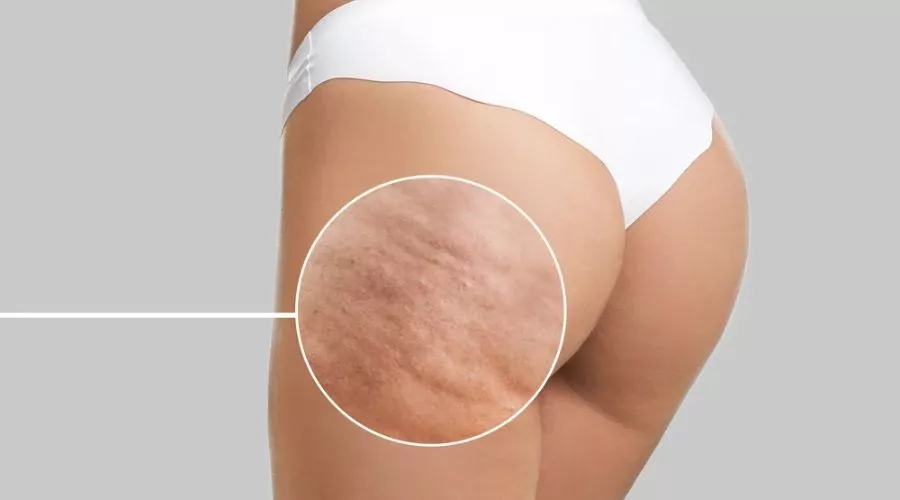
The popularity of supplements like CelluCare says more about modern beauty pressure than it does about the product itself. Cellulite is extremely common, yet it remains heavily stigmatized in beauty culture. This creates a constant demand for solutions—even when people already understand that it is a natural and normal part of human skin structure.
The appeal of CelluCare lies in the hope of gradual improvement without invasive procedures. Many people are not necessarily looking for perfection. Instead, they are looking for subtle changes that help them feel more comfortable and confident in their skin. That emotional layer is a major driver of the entire cellulite-care industry.
A More Realistic View of Results
It’s important to approach CelluCare with grounded expectations.
No oral supplement can directly “remove” cellulite, because cellulite is not just a surface-level issue—it involves deeper structural components of the skin and connective tissue.
What products like CelluCare may do, in a supportive sense, is contribute to general skin wellness over time when combined with healthy habits. This might include improvements in hydration, skin texture, or overall skin vitality in some individuals.
However, these effects are typically gradual and subtle, not dramatic or guaranteed.
The most meaningful changes in cellulite appearance usually come from a combination of factors such as muscle tone development, circulation support through movement, hydration, and natural changes in body composition.
Who Might Be Interested in CelluCare?
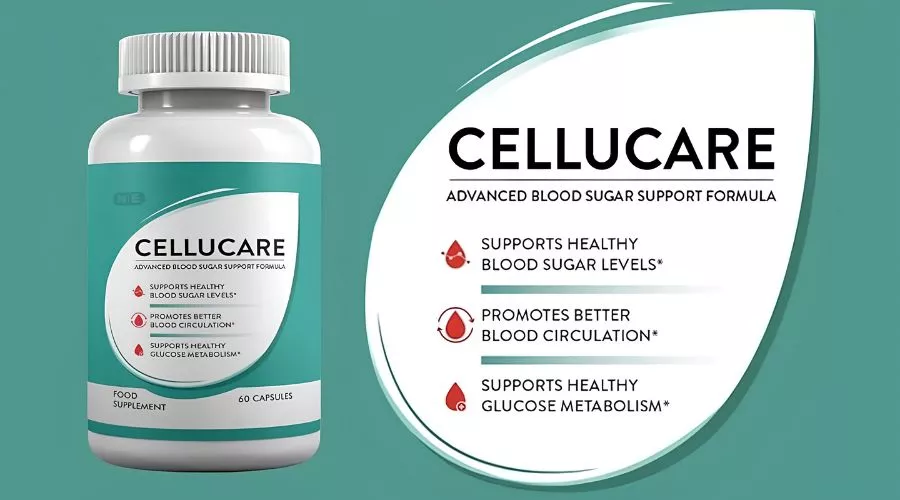
CelluCare is generally aimed at individuals who are already engaged in some level of wellness routine but want additional support for skin appearance and texture concerns.
It may appeal to people who prefer non-invasive approaches and are not interested in cosmetic procedures. It may also resonate with those who view beauty and wellness as long-term maintenance rather than quick transformation.
Importantly, it is not positioned as a medical treatment, nor should it be viewed as a solution for skin disorders or underlying health conditions. Instead, it fits into the category of supportive wellness products that aim to complement a broader healthy lifestyle.
The Bigger Picture: Wellness and Body Realism
One of the most interesting aspects of products like CelluCare is how they reflect a shift in beauty culture.
There is a growing awareness that bodies naturally have texture, variation, and asymmetry. At the same time, people still want to feel confident and comfortable in their appearance.
This creates a space where wellness products are not about eliminating natural traits entirely, but about supporting how the body functions and looks in a balanced, realistic way. CelluCare sits right in the middle of that conversation.
Conclusion
CelluCare represents a category of wellness products that focus on skin appearance, connective tissue support, and circulation-related health factors associated with cellulite. Rather than promising extreme transformation, it aligns with a more modern approach to beauty—one that emphasizes gradual support, internal wellness, and realistic expectations.
While it is not a replacement for exercise, nutrition, or lifestyle habits, it may appeal to individuals looking for gentle, supportive options as part of a broader self-care routine. Ultimately, CelluCare reflects a larger shift in wellness culture: moving away from perfection-based promises and toward more natural, sustainable ideas of body confidence and skin health. Find here and see the best deals for more than a three-month supply.
FAQs
1. What is CelluCare used for?
CelluCare is generally marketed as a dietary supplement that supports skin health, circulation, and the appearance of cellulite over time.
2. Can CelluCare remove cellulite completely?
No. Cellulite is a structural skin condition influenced by multiple factors. Supplements may support skin wellness, but they cannot eliminate cellulite entirely.
3. How does CelluCare work?
It is typically designed to support internal factors like skin elasticity, hydration, antioxidant protection, and circulation, which may influence skin appearance.
4. Who is CelluCare suitable for?
It may be suitable for adults looking for non-invasive, supportive approaches to skin wellness and cellulite appearance as part of a healthy lifestyle.